
The link between colour and menopause symptoms
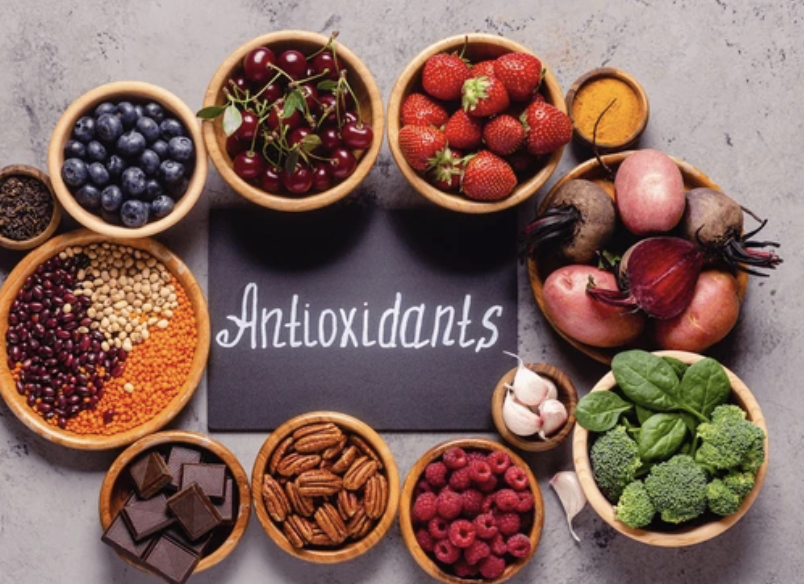
Why Antioxidants Are So Important in Menopause
Have you ever wondered why some women seem to navigate menopause with relative ease while others feel like they're fighting their own body at every turn, the answer (at least in part) may lie in what they're eating.
Did you know that the moment your oestrogen begins to decline, your body's natural defences against cellular damage start to weaken too?
This is one of the least talked-about aspects of the menopause transition and yet it underpins so many of the symptoms that women write off as simply "getting older." Yes, you are ageing and we can’t stop this process but we can slow it down and, by doing so, we can minimise some of the symptoms that we experience in menopause.
Here's the thing, and please take note because it is science not hearsay or influencer talk: what you put on your plate every single day can genuinely change how you feel. Not in a vague, wellness-industry kind of way but in a measurable, science-backed, your-cells-will-actually-function-better kind of way.
I’m talking about antioxidants.
The statistics are striking: studies show that oxidative stress markers are significantly elevated in perimenopausal and postmenopausal women compared to their premenopausal counterparts. One large review found that menopausal women with the highest levels of oxidative stress reported more severe hot flushes, greater joint pain and poorer sleep quality. Meanwhile, research published in the journal Menopause found that women who consumed the highest levels of dietary antioxidants had measurably lower inflammatory markers which are the very markers associated with the severity of menopausal symptoms.
The menopause transition is now recognised by researchers as a pro-inflammatory phase of a woman's life-course. This isn't just about feeling a bit off., it’s about chronic low-grade inflammation that has been linked to increased risk of cardiovascular disease, bone density loss, cognitive decline and metabolic changes ie. all things we absolutely want to be ahead of.
So, what is actually going on inside the body, and which foods can help? Let's get into it.
So what exactly is oxidative stress — and why does it matter in menopause?
Think of oxidative stress as a kind of internal rusting. Every cell in your body produces waste products called free radicals as a by-product of normal metabolic processes. In a healthy, balanced body, antioxidants neutralise these free radicals before they can cause damage but when the balance tips — when there are more free radicals than antioxidants to deal with them — oxidative stress occurs.
During perimenopause and menopause, declining oestrogen levels significantly reduce the body's own antioxidant defences. Oestrogen itself has antioxidant properties, so as levels fall, oxidative stress rises. This is not a small or trivial shift. Research now links elevated oxidative stress in menopause to a worsening of hot flushes, increased joint pain, cognitive fog, fatigue, mood changes and accelerated ageing of cells and tissues.
The good news? This is where food becomes genuinely powerful.
What do antioxidants actually do?
Antioxidants are compounds that donate electrons to free radicals, stabilising them and preventing them from damaging healthy cells. They essentially act as the body's clean-up crew as they mop up damage before it takes hold.
Different antioxidants work in different parts of the body and target different tissues. Some are particularly protective for the cardiovascular system. Others are drawn to the brain, the skin, the gut lining or the joints. This is what makes dietary variety so important — no single antioxidant does it all, and the combination of different plant compounds working together is far more powerful than any one nutrient in isolation.
Key antioxidants to know about include:
Vitamin C — found abundantly in kiwis, peppers, citrus and strawberries. It supports immune function, collagen production and skin health, and works in partnership with vitamin E.
Vitamin E — found in nuts, seeds and avocado. It protects cell membranes from oxidative damage and has been studied for its potential role in reducing the severity of hot flushes.
Polyphenols — a vast group of plant compounds found in berries, apples, dark chocolate, green tea and olive oil. These have anti-inflammatory effects throughout the body and may support oestrogen metabolism via the gut microbiome.
Carotenoids — including beta-carotene, lutein and lycopene, found in orange, red and yellow fruits and vegetables, as well as leafy greens. These are particularly protective for eye health and cardiovascular health — both areas of increasing concern after menopause.
Quercetin — a flavonoid found in apples, onions and capers. It has anti-inflammatory and potentially oestrogenic properties, which is why it is being studied with great interest in relation to menopausal symptoms.
Resveratrol — found in red grapes and berries. It has been shown in research to mimic some of the effects of oestrogen in the body, making it of particular interest for women navigating the menopause transition.
The inflammation connection
The scientific community is increasingly viewing menopause not just as a hormonal event, but as a pro-inflammatoryphase of a woman's life. Oestrogen has anti-inflammatory effects, so as it declines, low-grade systemic inflammation tends to rise. This underlies many of the most troublesome symptoms like joint pain, brain fog, mood disturbances, poor sleep and fatigue as well as longer-term health risks including cardiovascular disease and osteoporosis.
A diet rich in antioxidants directly counters this inflammatory drive. Antioxidants work hand in hand with anti-inflammatory compounds in food to reduce the inflammatory burden on the body, protect tissues and support the repair processes that keep us feeling well.
This is why the Mediterranean dietary pattern rich in vegetables, fruits, legumes, olive oil, fish and whole grains consistently comes up in research as protective during and after menopause. It is not one magic ingredient. It is the consistent, colourful, varied, plant-forward approach that makes the difference.
The best antioxidant foods to eat during menopause
You do not need an exotic supplement routine or a complicated plan. You need a plate that looks like a rainbow, as often as possible. Here are some of the most powerful antioxidant foods to prioritise:
Kiwi fruit — one of the most nutrient-dense fruits available. Kiwis are exceptionally high in vitamin C (more than an orange, gram for gram), as well as vitamin E, folate and polyphenols. Research suggests kiwi consumption may support sleep quality (something many women struggle with during menopause) by influencing serotonin pathways. They are also supportive of gut health and immune function. Eat two a day and your body will thank you.
Apples — the original everyday superfood. Apples are rich in quercetin, catechins and chlorogenic acid all of which are powerful polyphenols with anti-inflammatory and antioxidant properties. Quercetin in particular has been shown to reduce inflammatory markers in the body and there is emerging evidence for its weak oestrogenic effects. Always eat the skin — that is where the majority of the antioxidants live. As they say, an apple a day…
Blueberries — arguably one of the most studied antioxidant foods on the planet. Rich in anthocyanins (the compounds that give them their deep blue colour), blueberries have been shown to support brain health, reduce blood pressure and lower markers of oxidative stress. For women in menopause, their neuroprotective properties are particularly relevant given the cognitive changes many experience during this time. Add them to your oats every morning or pop them into a smoothie.
Spinach and leafy greens — packed with lutein, zeaxanthin, vitamin C and beta-carotene. These carotenoids are protective for eye health, heart health and the skin. Leafy greens are also a source of magnesium, which supports sleep, mood and muscle function — all areas commonly affected in menopause. I drink a spinach based green smoothie every morning and swear by it ,click here for the recipe
Tomatoes — cooked tomatoes are one of the richest dietary sources of lycopene, a carotenoid linked to cardiovascular health and skin protection. Cooking releases lycopene and makes it far more bioavailable, so your pasta sauce and roasted tomatoes are genuinely doing good work. Keep a bowl of cherry tomatoes out in the kitchen and grab a few each time you pass by. They are my go to snack.
Red and orange peppers — gram for gram, red peppers contain more vitamin C than virtually any other food. They also provide beta-carotene and a range of other carotenoids. Vibrant, versatile and incredibly easy to add to meals. Amazing roasted in the air fryer stuffed with cherry tomatoes, basil and mozzarella.
Walnuts — rich in polyphenols, vitamin E and omega-3 fatty acids, which work synergistically with antioxidants to reduce inflammation. Studies specifically looking at walnut consumption in postmenopausal women have shown improvements in cardiovascular markers. A small handful as a snack is all you need, always toss them into your salad.
Dark chocolate (70% and above) — yes, really! Dark chocolate is a concentrated source of flavanols which are a class of polyphenols with powerful antioxidant and anti-inflammatory effects. It has been shown to support blood flow, reduce blood pressure and improve mood. The darker the better, and a small square or two is genuinely beneficial, not a guilty pleasure. Try to stick to 1 or 2 squares only.
Green tea — rich in epigallocatechin gallate (EGCG), one of the most studied plant antioxidants. Regular green tea consumption has been associated with reduced inflammation, improved brain function and support for bone density — all relevant during menopause. Swap one of your daily coffees for a cup of green tea and consider it medicinal. It makes an excellent choice for your afternoon slump with a green apple
Avocado — a rich source of vitamin E, glutathione (one of the body's most important internal antioxidants) and carotenoids including lutein. The healthy monounsaturated fats in avocado also help the body absorb fat-soluble antioxidants from other foods. Add half an avocado to your salad and it will help you absorb more of the good stuff from everything else on the plate. Check out these amazing tuna and avocado rolls
Beetroot — rich in betalains, a unique class of antioxidants with potent anti-inflammatory effects. Beetroot also supports nitric oxide production, which helps maintain healthy blood pressure and circulation. Roast it, blend it, juice it — it is one of nature's most underrated foods. Beetroot hummus is a wonderful snack with carrots and celery. Hop into my recipe section for an amazing beetroot and strawberry gazpacho recipe
Pomegranate — contains punicalagins and punicic acid, antioxidants found almost nowhere else in nature. Pomegranate has been specifically studied in the context of menopause, with some research suggesting it may support oestrogenic activity and reduce hot flush frequency. Worth adding to your yogurt or salad regularly. They are fiddly to open but hit them with a rolling pin, they’ll split and the seeds just tumble out.
How to make this work in real life
The great news is that eating for antioxidant power does not require expensive superfoods or complicated routines. It is about consistently choosing colour, variety and whole foods — and doing it most of the time.
A few simple principles to build on:
Aim for at least five different coloured fruits and vegetables every day. Each colour represents a different family of antioxidants, so variety is everything.
Include at least one antioxidant-rich snack daily — a kiwi, a handful of blueberries, a small portion of walnuts or an apple.
Cook with olive oil, add herbs generously (fresh herbs like parsley, oregano and rosemary are surprisingly high in antioxidants),
Choose whole grains over refined ones.
Drink green tea, eat dark chocolate without guilt and think of your plate as a form of daily self-care.
The body is remarkably responsive. Small, consistent changes in food intake can meaningfully shift inflammatory markers and oxidative stress levels over time. You do not need to be perfect — you need to be consistent. (Yes, that word again.)
The bottom line
Menopause is a biological transition, but it is not one you simply have to endure. The food choices you make every single day have a direct and measurable impact on how you feel — your energy, your joint comfort, your sleep, your mood and your long-term health.
Antioxidants are one of the most powerful and accessible tools you have. They are sitting in the fruit bowl, the vegetable drawer and the nut jar. They are in your morning cup of green tea and your square of dark chocolate after dinner.
Start with colour. Start with variety. Start with the list above and choose two or three foods to focus on this week.
Your body — and your symptoms — will notice the difference.
If you would like to receive my downloadable guide to the top antioxidant foods for menopause, click here