
The Importance of Fibre in Menopause
Fibre is one of the most under-consumed nutrients in women’s diets. In the UK, 90% of men and women are not hitting their RDA yet during perimenopause and menopause it becomes more important than ever. As hormones shift, many women notice changes in digestion, energy levels, weight distribution, cholesterol and blood sugar control. Fibre plays a central role in all of these systems, making it one of the most powerful and often overlooked foundations of midlife health.
Despite strong scientific evidence, most women fall well short of recommended intakes. Average fibre consumption across the UK and Europe sits at around 18–20 grams per day, while health guidelines recommend a minimum of 25–30 grams. Research increasingly suggests that higher intakes may provide even greater protection for metabolic and cardiovascular health.
Understanding why fibre matters, how it works in the body and where to find it can help women make small, realistic changes that add up over time.
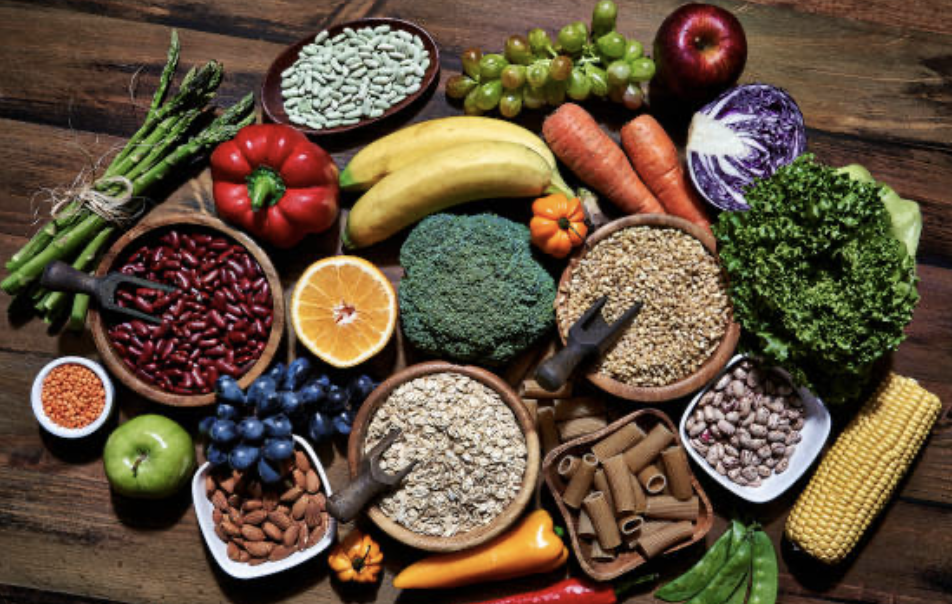
Fibre is incredibly important in menopause and has been linked to an improvement in sleep, depression, cognitive function and gut iss
What fibre actually is
Dietary fibre refers to the parts of plant foods that cannot be fully broken down or absorbed in the small intestine. Instead of being digested like carbohydrates, protein or fat, fibre travels to the large intestine where it plays a vital role in gut function and overall metabolic health.
Some fibres dissolve in water, forming a gel-like substance that slows digestion and nutrient absorption. Others remain largely intact, adding bulk and supporting regular bowel movements. In reality, most plant foods contain a combination of both, and the body benefits from a wide variety rather than focusing on one single type.
Why fibre becomes more important during menopause
Hormonal changes during perimenopause and menopause have a direct impact on the digestive system. Oestrogen influences gut motility, bile acid metabolism and the diversity of gut bacteria. As levels fluctuate and gradually decline, digestion can slow and many women begin to experience bloating, constipation or increased gut discomfort.
Fibre provides fuel for beneficial gut bacteria, helping to maintain a more diverse and resilient microbiome. This diversity is strongly associated with improved metabolic health, lower inflammation and better digestive function all particularly relevant during midlife.
The gut also plays a role in hormone regulation. Certain gut bacteria, collectively known as the estrobolome, are involved in how oestrogen is metabolised and excreted. Adequate fibre intake helps bind excess oestrogen in the gut and supports its safe removal from the body, reducing unnecessary reabsorption. This becomes especially relevant during perimenopause, when oestrogen levels can fluctuate dramatically rather than decline in a smooth, predictable way.
Blood sugar regulation is another key area affected by hormonal change. As oestrogen declines, insulin sensitivity can reduce, making blood glucose levels more volatile. This often shows up as stronger cravings, energy dips and increased fat storage around the abdomen. Fibre, particularly soluble fibre, slows the absorption of glucose into the bloodstream, helping to stabilise blood sugar levels and support more consistent energy throughout the day.
Fibre also plays an important role in appetite regulation. By adding volume to meals and slowing digestion, it promotes feelings of fullness and stimulates satiety hormones such as GLP-1. This is not about restriction or dieting, but about supporting the body’s natural appetite signals at a stage of life when they can feel less reliable.
Cardiovascular health becomes increasingly important after menopause. As oestrogen’s protective effect on the heart reduces, women’s risk of heart disease rises significantly. Fibre contributes to heart health by lowering LDL cholesterol, improving lipid profiles and reducing systemic inflammation. Large population studies show that even modest increases in daily fibre intake are associated with meaningful reductions in cardiovascular disease risk.
There is also emerging evidence that fibre may support bone health indirectly. Through fermentation in the gut, fibre produces short-chain fatty acids that may improve mineral absorption and reduce chronic inflammation which are both important factors for maintaining bone density as we age.
How much fibre do we actually need?
Most health organisations recommend at least 25 grams of fibre per day for women, with 30 grams or more often associated with better gut, metabolic and cardiovascular outcomes. The key is consistency rather than perfection. It’s that word again, ‘consistency’
Increasing fibre intake should be done gradually and alongside adequate fluid intake, as sudden large increases can lead to temporary bloating or discomfort.
Where fibre comes from
Fibre is found exclusively in plant foods, which is why variety matters so much. Vegetables, fruits, whole grains, legumes, nuts and seeds all contribute different types of fibre that support the gut in slightly different ways.
To give this some context, a medium apple with the skin provides around 4 grams of fibre, while a pear can provide closer to 5 or 6 grams. Berries are particularly fibre-rich, with 100 grams of raspberries containing over 6 grams.
Legumes are among the most concentrated sources. A 100-gram serving of cooked lentils provides roughly 8 grams of fibre, with chickpeas and black beans offering similar amounts. Whole grains also contribute meaningfully, with a portion of oats providing around 4 grams and a slice of wholegrain bread around 3 grams.
Nuts and seeds are small but powerful additions. A tablespoon of chia seeds contains approximately 5 grams of fibre, while ground flaxseed provides around 3 grams per tablespoon.
What this can look like in real life
A fibre-rich day does not require perfection or complicated meal plans. A bowl of oats with berries and seeds at breakfast, a lentil or bean-based salad at lunch, fruit as a snack and a vegetable-rich dinner with whole grains can comfortably bring fibre intake to around 30 grams across the day.
Chia seeds and flax seeds are incredibly high in fibre and are both VERY easy to add to food - thrown them in your granola, salad, soup, smoothie, stew, pasta. Nuts are also high in fibre - grab a handful as your mid afternoon snack, have an apple to accompany it and that’ll ramp up your fibre intake.
It is rarely one single food that makes the difference. It is the repeated pattern of choosing fibre-containing foods most of the time.
The bigger picture
During menopause, fibre is far more than a digestive aid. It supports gut health, hormone metabolism, blood sugar regulation, cholesterol management, appetite control and long-term cardiovascular protection.
For women navigating midlife, prioritising fibre-rich foods is one of the most evidence-based and accessible strategies available. It does not require supplements, extremes or restriction — just a steady return to meals built around plants, variety and consistency.
Over time, these small daily choices form a nutritional foundation that supports health, resilience and energy well beyond menopause.
Needless to say, when your mum told you to ‘EAT YOUR GREENS’ she was on to something!