
Your Plate Is Your Prescription, How Food Becomes Functional Medicine in Menopause
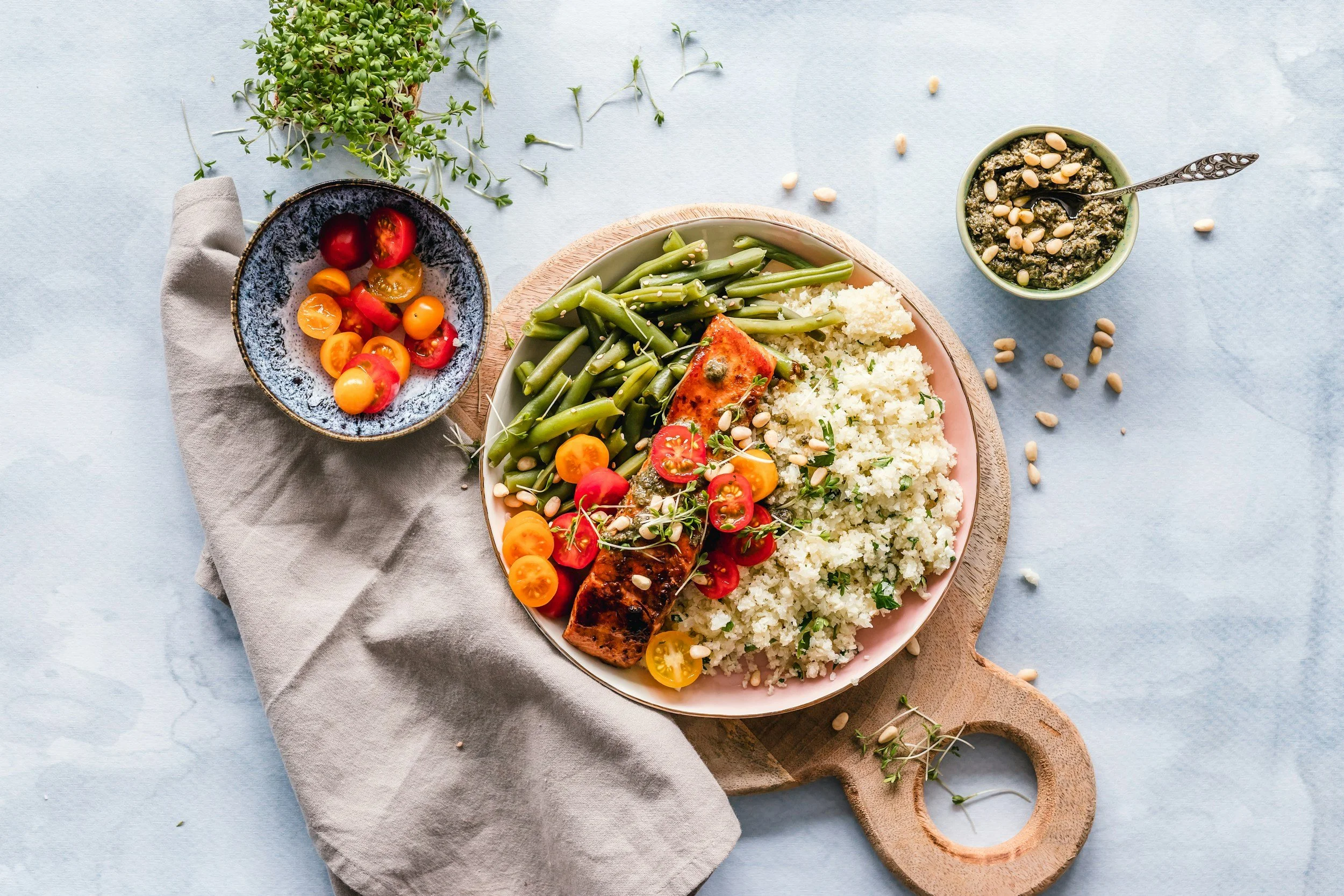
Everyday foods become powerful medicine during menopause — and why what you eat is one of the most transformative decisions you can make right now.
Menopause is not a disease! It is not something that needs to be fixed or survived. It is, however, a profound biological shift — and one that your body navigates largely on the basis of what you feed it every single day.
The conversation around menopause has, for far too long, focused almost entirely on what is going wrong: the hot flushes, the brain fog, the sleepless nights, the weight that suddenly appears as if from nowhere. What gets talked about far less is the extraordinary power your food choices hold to influence every single one of those symptoms — not by masking them, but by supporting the systems that underpin them. Your gut, your brain and the deeply connected, constantly communicating network that runs between them.
This is the concept of food as functional medicine which is not a fad or a trend but is science — and it is something you can start using today.
What Menopause Actually Does to Your Gut
Most people know that oestrogen declines during menopause. Fewer people know that oestrogen receptors exist throughout the entire gastrointestinal tract — which means the drop in oestrogen does not just affect your reproductive system but that it affects your gut, quite directly and quite significantly.
Research published in the journal Cell Host & Microbe has shown that the gut microbiome — the vast ecosystem of bacteria, fungi, and other microorganisms living in your intestines — changes meaningfully during and after menopause. Specifically, the diversity of the microbiome tends to decrease, and the balance between beneficial and less beneficial bacteria shifts. This matters enormously because your gut microbiome is involved in everything from immune regulation to mood to inflammation levels throughout the body.
A 2020 study in Nature Metabolism found that postmenopausal women had a significantly less diverse gut microbiome compared to premenopausal women of similar age and body composition — and that lower microbiome diversity was associated with higher visceral fat, greater insulin resistance, and more severe vasomotor symptoms including hot flushes.
Gut permeability also tends to increase during menopause, a phenomenon sometimes called "leaky gut" which is w hen the gut lining becomes more permeable and bacterial by-products can cross into the bloodstream which can trigger systemic inflammation. That inflammation, in turn, feeds back into the severity of menopause symptoms. It is a cycle — but one that can absolutely be interrupted by the food choices you make.
70%of your immune system lives in and around your gut
90%of serotonin — your feel-good neurotransmitter — is produced in the gut
40+trillion microorganisms make up the human gut microbiome
The Gut-Brain Axis: Why Your Gut Mood and Your Brain Mood Are the Same Thing
The gut-brain axis is the bidirectional communication highway that runs between your digestive system and your central nervous system. It operates via the vagus nerve, via hormonal signals, and via the neurotransmitters that your gut bacteria themselves produce. When your gut is inflamed, dysbiotic (meaning out of balance), or under-nourished, that information travels directly to your brain — and it shows up as anxiety, low mood, poor concentration, and cognitive sluggishness.
Brain fog is one of the most distressing and least talked-about symptoms of menopause, affecting an estimated 60% of women during the transition. The oestrogen connection is well established — oestrogen plays an active role in cerebral blood flow and neuroplasticity — but the gut connection is increasingly understood to be just as important. A healthy, diverse gut microbiome produces short-chain fatty acids that reduce neuroinflammation and support the blood-brain barrier and when that microbiome is compromised, the brain feels it.
A 2022 review in Frontiers in Endocrinology concluded that dietary interventions targeting the gut microbiome showed measurable improvements in cognitive performance, mood, and hot flush frequency in perimenopausal and postmenopausal women — independent of hormone therapy status.
This is why eating well in menopause is not about counting calories or fitting into smaller jeans but is about giving your gut the resources it needs to communicate clearly with your brain — and giving your brain the nutrients it needs to function at its best.
Eating Close to the Source: Why This Matters More Than Any Supplement
Before we get into the specific foods that can genuinely move the needle for you, there is one overarching principle worth cementing: eating close to the source means choosing food that looks as much as possible like it did before it was processed, packaged, and shelf-stabilised.
Ultra-processed foods — think anything with a long ingredient list of things you cannot pronounce — actively damage the gut microbiome. Research from the British Medical Journal found that each 10% increase in ultra-processed food consumption was associated with a 12% increase in overall cancer risk and a notable increase in inflammatory markers across the body. For women in menopause, where inflammation is already heightened, this is a significant relationship.
What eating close to the source actually means:
It means vegetables that are recognisably vegetables. Legumes you cook yourself. Grains in their whole form. Fruit you eat rather than drink. It does not mean perfect, it does not mean joyless, and it certainly does not mean never having a glass of wine or a good piece of bread. It simply means that most of what goes onto your plate is as close to its natural state as possible, most of the time.
The fibre that lives in whole foods feeds the beneficial bacteria in your gut. The polyphenols in brightly coloured plants act as antioxidants and anti-inflammatory agents. The protein in legumes and whole grains stabilises your blood sugar — and blood sugar instability, incidentally, is one of the key drivers of hot flushes, mood swings, and energy crashes during menopause. When you eat close to the source, you are not just getting nutrients. You are feeding an entire ecosystem.
The Menopause Pantry: Foods That Work Like Medicine
What follows are not superfoods in the expensive, powdered, add-it-to-a-smoothie sense. These are ordinary, accessible, affordable foods that carry an extraordinary density of menopause-relevant benefit — and that work best when they are eaten regularly, as part of a varied, whole-food way of eating.
Celery
Celery tends to get dismissed as a bland diet food — which does it a serious injustice. It contains a flavonoid called apigenin, which has been shown in preclinical research to bind to oestrogen receptors in the brain and support neuroprotection during oestrogen withdrawal. It is also rich in luteolin, another anti-inflammatory compound that has demonstrated the ability to reduce microglial activation — essentially calming the brain's immune response, which is directly associated with improved cognitive clarity.
Celery is also a meaningful source of prebiotic fibre, meaning it feeds the beneficial bacteria already living in your gut. As a diuretic, it helps reduce water retention and bloating — a common and uncomfortable feature of hormonal fluctuation. Add it to soups, stews, salads, or simply eat it with almond butter as a snack that also stabilises blood sugar.
BRAIN FOG, GUT HEALTH, INFLAMMATION
Peanuts & Peanut Butter
Peanuts are technically a legume, which already gives them a nutritional edge over most tree nuts. They are an excellent source of resveratrol — the same polyphenol found in red wine, but without the alcohol. Resveratrol has been studied for its ability to support cardiovascular health (particularly important as oestrogen's protective effect on the heart declines), reduce oxidative stress, and modulate oestrogen receptor activity in a gentle, food-derived way.
Peanut butter is also a good source of niacin (vitamin B3), which plays a role in energy metabolism and crucially in the production of NAD+, a coenzyme that declines with age and is linked to cognitive function and cellular repair. The protein and healthy fat content makes peanut butter one of the most satisfying blood sugar-stabilising foods you can eat, which directly reduces the frequency and severity of hot flushes triggered by blood glucose dips. Choose natural peanut butter with no added sugar or palm oil — the ingredient list should say peanuts, and possibly salt, and nothing else. It’s actually very easy and much cheaper to make yourself - just pour 2 packs of peanuts into a blender with a good slug of olive oil and blend until your desired consistency - smooth or crunchy!
HOT FLUSHES, HEART HEALTH, BRAIN FUNCTION
Legumes: Chickpeas, Lentils & Beans
If there is one food group that deserves to be at the absolute centre of a menopause nutrition strategy, it is legumes. Chickpeas, lentils, and beans are among the most fibre-dense, protein-rich, and phytoestrogen-packed foods on the planet — and all three of those qualities are deeply relevant to what your body needs during menopause.
Phytoestrogens are plant compounds that bind weakly to oestrogen receptors in the body. They do not replace oestrogen, but they can help take the edge off the dramatic decline. The isoflavones in legumes — particularly in chickpeas and lentils — have been shown in multiple randomised controlled trials to reduce hot flush frequency and severity. A landmark meta-analysis published in Maturitas found that dietary isoflavone intake was associated with a statistically significant reduction in hot flush frequency compared to placebo.
The prebiotic fibre in legumes is also one of the most powerful gut microbiome interventions available to us. It selectively feeds Bifidobacterium and Lactobacillus species — the beneficial bacteria associated with lower inflammation, improved mood, and better oestrogen metabolism via the oestrobolome (the collection of gut bacteria responsible for metabolising and recirculating oestrogen). A diet high in legumes is, quite literally, a diet that supports your hormonal ecosystem from the inside out.
HOT FLUSHES, GUT MICROBIOME, HORMONE METABOLISM, BLOOD SUGAR
Brown Rice
Brown rice is white rice with its bran and germ layer intact — and those outer layers are where the nutritional value lives. It is a complex carbohydrate, which means it is digested slowly, providing a sustained release of glucose rather than the spike-and-crash pattern of refined grains that triggers cortisol responses, disrupts sleep, and contributes directly to hot flush activity.
Brown rice is also a source of magnesium, a mineral that plays a critical role in sleep quality, mood regulation, and the reduction of the anxiety and palpitations that many women experience during perimenopause. Research has found that magnesium deficiency is strongly correlated with the severity of menopausal symptoms — and that many women in the Western world are chronically under-consuming it. Brown rice also contains gamma-oryzanol, a compound specific to rice bran that has been shown in Japanese clinical studies to reduce vasomotor symptoms including hot flushes and night sweats. It is not a well-known compound in Western nutrition, but the evidence is genuinely compelling.
One particularly interesting trick worth knowing: cooking brown rice and then letting it cool completely — in the fridge overnight — transforms a portion of its starch into resistant starch, which behaves more like fibre than a carbohydrate in your body. Resistant starch feeds your beneficial gut bacteria directly, passes through the small intestine undigested, and has been shown to improve insulin sensitivity and reduce the blood glucose response at your next meal — making cold brown rice (in a salad, a grain bowl, or even reheated gently) one of those rare foods that is genuinely more nutritious than when you first cooked it.
SLEEP QUALITY, HOT FLUSHES, BLOOD SUGAR BALANCE
Cruciferous Vegetables: Broccoli & Red Cabbage
Cruciferous vegetables are the liver's best friends — and during menopause, a well-functioning liver is everything. The liver is responsible for processing and clearing excess or used oestrogen from the body. When this detoxification pathway is sluggish (as it often becomes with age, stress, alcohol, and poor diet), oestrogen metabolites recirculate rather than being excreted, contributing to hormonal imbalance, breast tenderness, heavy periods in perimenopause, and increased cancer risk over time.
Broccoli contains a compound called indole-3-carbinol, which converts in the gut to diindolylmethane (DIM). DIM has been extensively studied for its ability to shift oestrogen metabolism toward the production of less potent, less proliferative oestrogen metabolites. It essentially supports the liver in doing a cleaner job of oestrogen clearance. A 2016 study in the Journal of Clinical Endocrinology found that DIM supplementation (equivalent to that achievable through dietary intake) significantly improved the ratio of protective to non-protective oestrogen metabolites in women.
Red cabbage brings a different set of tools: its deep purple-red pigment comes from anthocyanins, among the most potent anti-inflammatory and antioxidant compounds found in food. Anthocyanins cross the blood-brain barrier, where they have demonstrated neuroprotective activity — meaning they actively support the brain tissue that is most vulnerable during the oestrogen decline of menopause. Red cabbage is also a meaningful source of vitamin C, which supports collagen production, immune function, and adrenal health — all increasingly important when your primary hormonal factory is closing its doors and your adrenal glands are picking up more of the slack.
OESTROGEN DETOX, BRAIN PROTECTION, INFLAMMATION, LIVER SUPPORT
Apples
An apple a day has more going for it during menopause than the saying implies. Apples are one of the best dietary sources of a specific type of soluble fibre called pectin, which acts as a prebiotic and has been shown to increase the diversity and abundance of beneficial gut bacteria within just a few weeks of regular consumption. Given what we now understand about the relationship between gut health and the severity of menopausal symptoms, this is not a small thing.
Apples also contain quercetin, a flavonoid with potent anti-inflammatory and antihistamine properties that has been studied for its ability to reduce the frequency and intensity of vasomotor events — essentially, it has a mild but measurable effect on hot flushes and night sweats. Quercetin has also been shown to support the integrity of the gut lining, directly addressing the increased gut permeability associated with menopause. Eat the skin — that is where the majority of the quercetin lives, and where the fibre concentration is highest.
GUT LINING, INTEGRITY, HOT FLUSHES, MICROBIOME DIVERSITY
Tomatoes
Tomatoes are one of the richest dietary sources of lycopene, a carotenoid that has been the subject of significant research in the context of both menopause and bone health. A study published in Osteoporosis International found that lycopene supplementation reduced oxidative stress markers and bone resorption in postmenopausal women — which is significant given that bone loss accelerates sharply in the years following the final menstrual period.
Lycopene is also strongly cardioprotective. Cardiovascular disease risk increases substantially after menopause — oestrogen had been providing a significant protective effect, and when it declines, that protection goes with it. Lycopene has been shown to reduce LDL oxidation, lower inflammatory markers including C-reactive protein, and improve arterial flexibility. Notably, lycopene is more bioavailable from cooked or processed tomatoes than raw ones — meaning your tomato sauce, your roasted cherry tomatoes, and your passata are all genuinely therapeutic foods. Add a little olive oil and you increase lycopene absorption further still.
BONE HEALTH, HEART PROTECTION, ANTI-INFLAMMATORY
Putting It All Together
What is striking about all of these foods is how interconnected their benefits are. They do not work on isolated symptoms — they work on systems. The gut-brain axis, the inflammatory cascade, hormonal metabolism, blood sugar regulation, cardiovascular resilience, bone maintenance. These are not separate problems to be solved one at a time. They are threads in the same fabric, and a diet built around whole, varied, plant-forward foods addresses all of them simultaneously.
This is what functional medicine through food actually means. Not eliminating entire food groups. Not following a rigid protocol that leaves you miserable and disconnected from the joy of eating. It means understanding that a bowl of lentil soup with broccoli and a side of brown rice is not a compromise — it is one of the most powerful things you can do for your body at this stage of life. That roasted tomatoes with a sprig of rosemary and olive oil drizzled over them is medicine. That an apple eaten whole and unpeeled, skin and all, is feeding your gut microbiome in ways that no supplement can fully replicate.
Menopause is not the end. It is the beginning of a stage of life that can be extraordinarily vital, strong, and clear-headed, provided your body has the building blocks it needs to navigate the transition well and your plate is where that begins.
"Don't look back — you're not going that way.
Look at what's on your plate, and choose to thrive."
Ready to Go Deeper?
Everything in this article and so much more is covered in my 30-day online nutrition course which I designed specifically for women navigating perimenopause and menopause. You will learn how to build a plate that works for your hormones, your gut, and your brain, with practical guidance you can apply from day one.
Join the 30-Day Nutrition Course →
30 days · science-backed · built for real life · no food bans . only £49