
Hear Me Out: Why Perimenopause Has Your Ears Itching
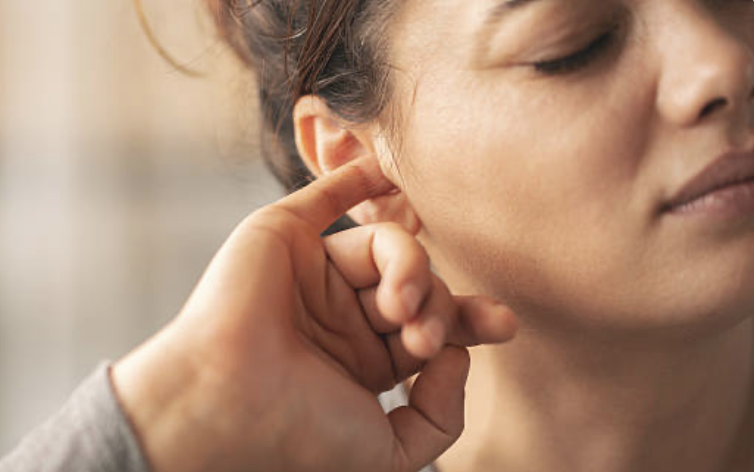
Itchy Ears in Perimenopause? You’re Not Imagining It
Honestly slot - I have this and it never occurred to me it was a menopause thing until I researched it and this is why I’m sharing it with you!
If you’ve ever found yourself at dinner quietly wiggling a finger in your ear and hoping nobody notices,or are woken in the night by the night to jiggle your ear (guilty) then this one is for you. Itchy ears are one of those strange little symptoms nobody warns you about, and when there’s no rash, no infection and no obvious reason for it, it’s very easy to wonder whether you’re going slightly mad.
You’re not, and you’re definitely not alone. Dr Mary Claire Haver, the American gynaecologist and menopause specialist recently shared a brilliant overview of why so many women in perimenopause and menopause end up with an itch deep inside the ear canal that simply won’t go away, so I wanted to break it down for you in plain English.
Why would hormones make your ears itch?
Most of us grew up thinking oestrogen was all about periods and fertility, so it comes as quite a surprise to learn that we have oestrogen receptors all over the body, including in our skin and even in the lining of the ear canal. Oestrogen helps keep skin plump, hydrated and well protected, it supports collagen (yes that’s why you’ve become more wrinkly but that’s another blog post) and it even has a say in how sensitive our nerve endings are.
As oestrogen starts to fluctuate and fall, the skin inside the ear becomes thinner and drier, natural oils and earwax don’t protect it as well as they used to, and the nerves become more reactive, which means even the tiniest irritation can feel incredibly itchy.
This symptom hasn’t been studied anywhere near as much as hot flushes or bone health, although the biology makes complete sense and menopause doctors see it in their clinics all the time. The research may still be catching up, but your experience is completely real.
It rarely arrives on its own
If your ears are itching, there’s a good chance you’ve noticed some of its friends too, such as dry skin, an itchy scalp, gritty eyes, a dry mouth, vaginal dryness, or skincare that suddenly stings when it never used to. They all share the same story, which is that oestrogen looks after our skin and our delicate moist tissues from head to toe.
So many women spend months trying antihistamines, changing their shampoo or convinced they have an ear infection before anyone mentions hormones, which is exactly why conversations like this matter so much.
Once you start to see the pattern, you stop blaming yourself and start finding solutions.
Rule out the other culprits first
Hormones aren’t the only reason ears get itchy, so it’s important to be sensible here. Eczema, psoriasis, a reaction to a product, a build up of earwax, a fungal infection, swimmer’s ear, hay fever and even your earbuds or hearing aids can all cause the same irritation.
Please see your doctor if you notice pain, fluid or discharge, bleeding, a fever, swelling or any sudden change in your hearing, as none of these are typical of hormonal itching and they deserve to be checked properly.
Itchy is one thing, painful is quite another, so always listen to what your body is telling you.
What research recommends
Once infection and other ear problems have been ruled out, there are 2 approaches which tackle two things at the same time, the dryness caused by falling oestrogen and the inflammation that’s driving the itch.
To address the root cause, you can use a tiny amount of vaginal oestradiol cream applied to the ear canal with a cotton bud, which restores oestrogen locally to that thin, dry skin. Please note that this is a use outside the product’s official licence, so it’s something to talk through with your doctor rather than try on your own, although if you already have a prescription it’s well worth asking the question.
For quicker relief, you can try a steroid nasal spray containing fluticasone, sprayed onto a cotton bud and gently dabbed just inside the ear to calm the inflammation while the skin recovers, and again it’s wise to check with your doctor or pharmacist first.
Sometimes the smallest fixes bring the biggest relief.
My everyday tips to soothe the itch
Alongside the medical side, here are a few simple habits that really help:
Resist the urge to scratch or dig around with cotton buds, as thin skin gets irritated even more easily.
Smooth a little of your usual face moisturiser around the outside of your ears when you do your skincare routine.
Choose gentle, fragrance free shampoos and hair products, since scent is a sneaky irritant.
Drink plenty of water and keep good fats in your diet, such as oily fish, olive oil, nuts and seeds, to support your skin from the inside out.
If your ears itch more at night, it’s often simply because you’re finally still and quiet, although dry bedroom air and hay fever can make it worse, so a humidifier may be worth trying. I admit that wearing ear plugs increases the itch for me but it’s a small sacrifice to pay for a quiet night’s sleep.
Look after your skin as though it’s precious, because it really is.
The bottom line
Menopause throws some very odd curveballs, and itchy ears are definitely one of them, but understanding what’s happening is the first step towards feeling comfortable again. If you’re noticing a whole collection of little changes like this and would love some help pulling the pieces together, that’s exactly what I do with women every day, so drop me a message and let’s have a chat.
Menopause is not the end, it’s the beginning.